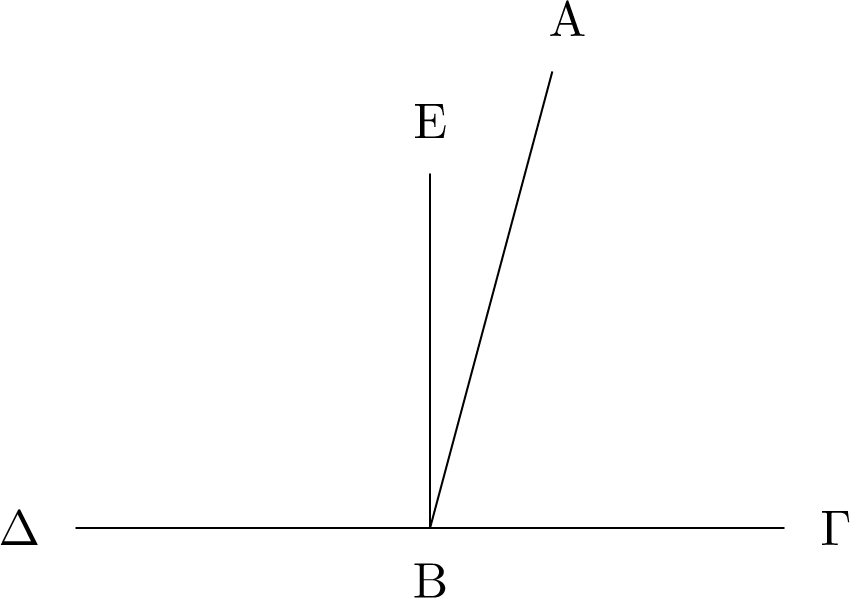
gre I,13αἱ ἄρα ὑπὸ ΓΒΕ, ΕΒΔ δύο ὀρθαί εἰσιν:
engtherefore the angles CBE, EBD are two right angles.
lat SicAnguli ergo GBE et EBD duo recti sunt.
lat Gerardduo igitur anguli GBE; EBD recti existunt.
lat AdelardDuo itaque anguli HBG et HBD recti. Suntque tres anguli ABG et ABH et HBD.
lat Hermannque quod ex parte plus erat recidens, ad minorem adiciens duos utrique rectos
ara Tuṣi p. 10,13-15فصارت الزوايا ثلاثا هي (ا ب ج) (ا ب ه) (ه ب د) والثانية ' إذا أضيفت إلى الأولى صارتا قائمتين وإذا أضيفت إلى الثالثة كانتا ' كما حدثتا
1
1. Ṭūsī’s proof is as follows: ”Then there will be three angles: ABC, ABE, EBD. And if the second is added to the first, the two angles are straight. And if it is added to the third, they remain as they were produced.” (? revise)
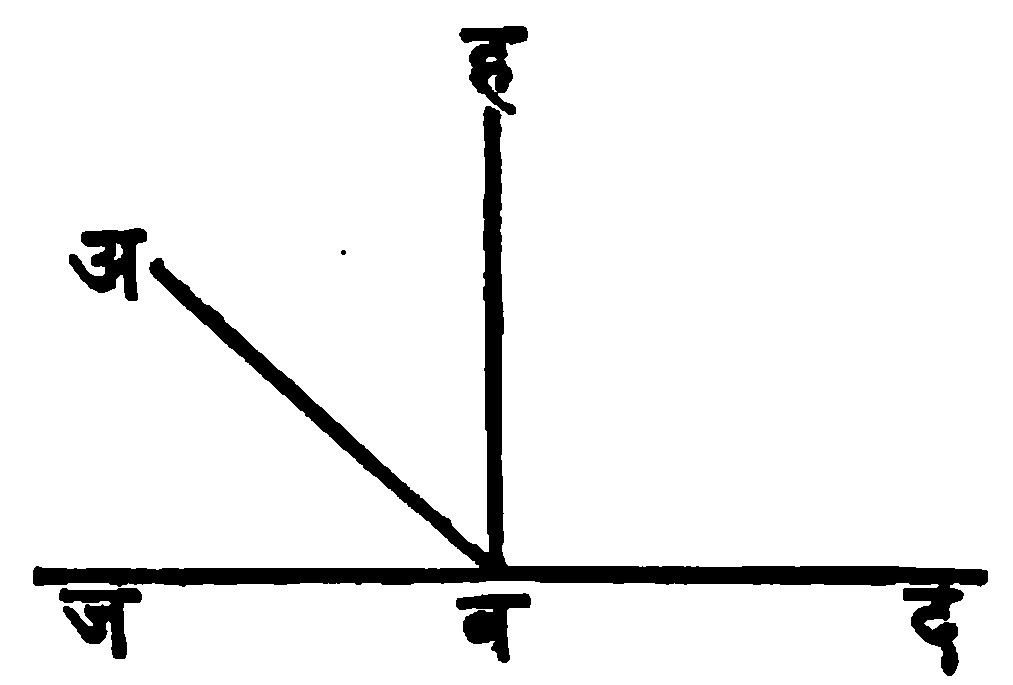
san 20,9–13tadā koṇatrayaṃ bha(10)vati
abajaṃ ekaḥ
abahaṃ dvitīyaḥ
habadaṃ tṛtiyaḥ | atha dvitīyakoṇaḥ (11) prathamakoṇena yuktaḥ kṛtaś cet tadā
habajaḥ
habadaś caitan dvau samakoṇau (12) bhaviṣyataḥ | (12) atha dvitīyakoṇe tṛtīyakoṇaś ced yojyate tadā
abaja-aba(13)
dakoṇau
1
yathāsthitau bhavataḥ |
2
1. written as two words in the Vorlage 2. Apart from the first sentence, which ascribes numbers to particular angles, Sanskrit is clearly equivalent with Tuṣi’s version.
http://www2.hf.uio.no/common/apps/permlink/permlink.php?app=polyglotta&context=record&uid=2504efca-261e-11e0-8f33-001cc4df1abe

 Title
Title
 Book I